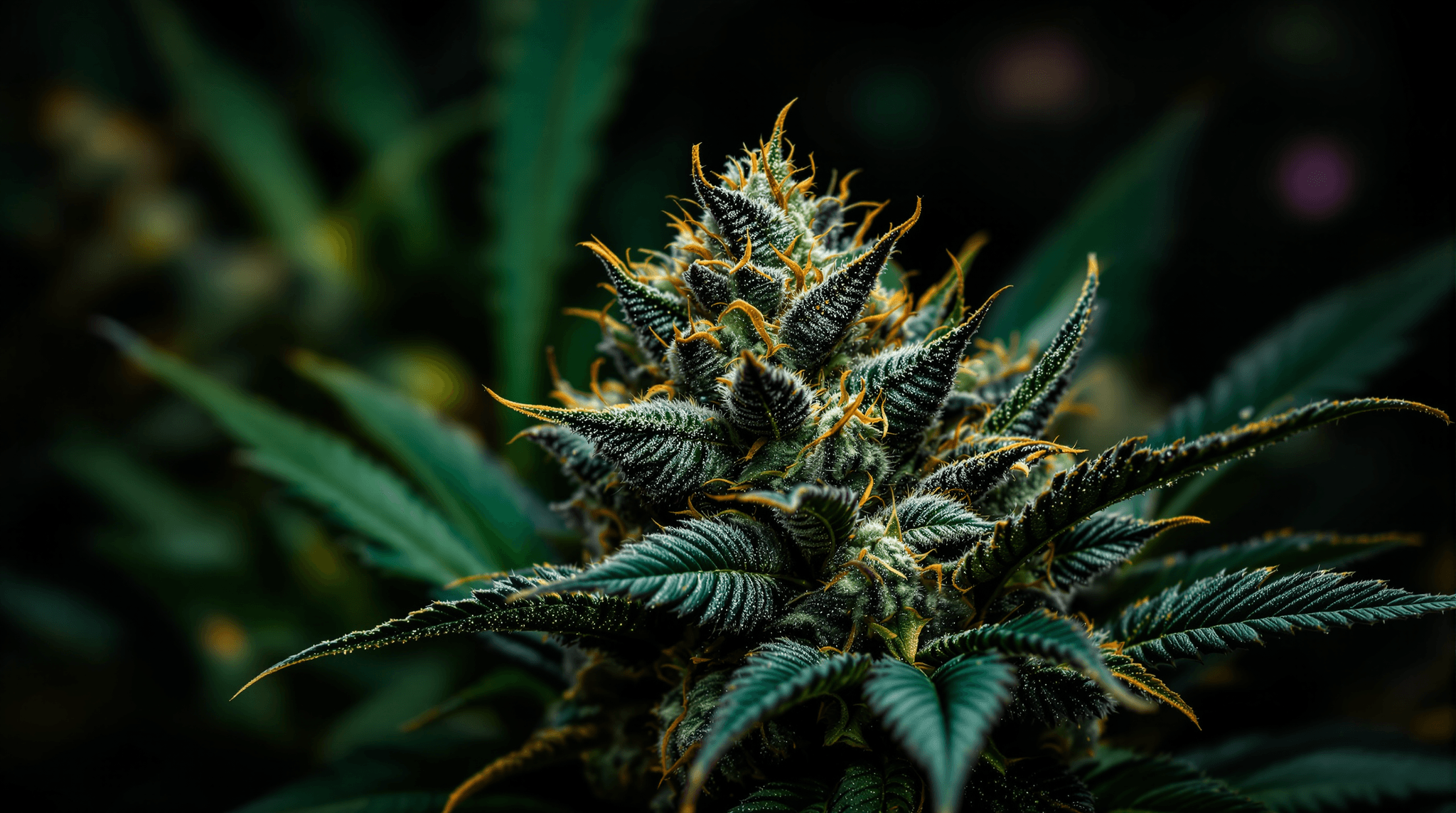
Walk into any seed bank and you'll see hundreds of strains with flashy names and bold claims. But what actually separates good genetics from the rest? The answer lies in breeding science, not marketing hype.
The Science Behind Premium Cannabis Genetics
Premium cannabis genetics start with one fundamental principle: phenotype stability. When you pop ten seeds from a premium breeder, you expect consistency. The plants should show similar growth patterns, flowering times, and chemical profiles. This consistency doesn't happen by accident.
According to research from the National Center for Biotechnology Information, "strain development involves selective breeding for specific cannabinoid and terpene profiles, with good genetics typically characterized by stable phenotypes and consistent chemical compositions across generations." This stabilization process can take years of careful selection and backcrossing.
The science gets even more complex when we look at genetic expression of color traits. Premium breeders understand how temperature, pH, and nutrient levels interact with genetic potential. They select parent plants not just for their visible traits, but for their ability to pass those traits reliably to offspring.
Genetic markers play a crucial role in modern breeding programs. By identifying specific DNA sequences associated with desired traits, breeders can predict outcomes before plants even flower. This scientific approach separates serious breeding operations from pollen chuckers hoping for lucky crosses.
Breeding Philosophy: Stabilization vs Innovation
Every breeder faces a fundamental tension: create rock-solid stable genetics or push boundaries with experimental crosses? The cannabis industry demands both, and premium breeders must balance these competing priorities.
Stabilization requires patience. F1 hybrids might show amazing traits, but they're genetically unstable. Growing out F2 generations reveals massive variation as recessive genes express themselves. True stabilization happens around F5 or F6, after selecting and backcrossing the best phenotypes repeatedly.
Innovation means taking risks. Crossing distant genetic lines can produce extraordinary results or complete failures. Premium breeders document everything — growth rates, flowering times, terpene tests, cannabinoid profiles. They're scientists as much as gardeners.
Modern hybrid breeding techniqueshave accelerated this process. Tissue culture preservation allows breeders to maintain exact genetic copies of exceptional plants. Marker-assisted selection speeds up trait identification. But the fundamental challenge remains: how do you create something new while maintaining the consistency customers expect?
Terpene Complexity in Modern Hybrids
Terpenes define the cannabis experience as much as cannabinoids. Good genetics showcase complex terpene profiles that go beyond simple lemon or pine notes. We're talking about strains that smell like mango lassi, gasoline-soaked berries, or fresh tennis balls. These aren't accidents — they're achievements in selective breeding.
Terpene inheritance follows predictable patterns, but expressing those terpenes requires perfect environmental conditions. A strain might carry genes for high limonene production, but stress, temperature fluctuations, or nutrient imbalances can suppress expression. Premium breeders select for plants that maintain their terpene profiles even under less-than-ideal conditions.
The real complexity comes from terpene interactions. Myrcene might dominate a profile at 40% of total terpenes, but trace amounts of ocimene, terpinolene, and bisabolol create the nuanced aroma that makes a strain memorable. Breeders chase these complex combinations, testing hundreds of phenotypes to find the perfect balance.
Some breeders focus on recreating classic profiles — that unmistakable Skunk funk or Haze spice. Others push into uncharted territory, combining genetics that shouldn't work on paper but create magic in practice. The best modern hybrids layer terpenes like a perfumer crafting a fragrance, with top notes, heart notes, and base notes that reveal themselves over time.
From Seed to Shelf: Quality Control in Cannabis Genetics
Premium seed production involves rigorous quality control at every step. It starts with parent selection — not just choosing plants with desirable traits, but ensuring those plants are free from pathogens, hermaphroditic tendencies, and genetic abnormalities.
The Barney's Farm genetics we run go through a pheno hunt before anything hits the shelf. Out of 100 seeds, maybe 5-10 plants have the terpene expression and structure we're looking for. That's the kind of selection work that doesn't show up on a label.
Seed production happens in controlled environments to may reduce the chance of contamination. Male plants are isolated, their pollen collected and stored under specific conditions. Female plants are pollinated in separate rooms to may reduce the chance of cross-contamination. Every batch gets labeled, tracked, and tested.
Germination testing ensures viability. Premium breeders won't release seeds with germination rates below 90%. They test storage stability, checking how seeds perform after months at different temperatures and humidity levels. Some operations x-ray seeds to check for proper embryo development.
The final quality check happens after harvest. Random samples from each batch get grown out to verify genetic stability. If plants show unexpected variation or hermaphroditic traits, the entire batch gets pulled. This commitment to quality control separates good genetics from bulk seed operations.
The European Cannabis Breeding Scene
Europe has quietly become a powerhouse in cannabis genetics. While American breeders dominated the early medical cannabis scene, European seed banks have been perfecting their craft since the 1980s. The regulatory environment shaped their approach in unique ways.
Operating in a gray market forced European breeders to focus on seed quality over marketing. They couldn't rely on dispensary partnerships or celebrity endorsements. Success meant producing genetics that performed consistently for home growers across different climates and skill levels.
The partnership with Barney's Farm — one of Amsterdam's most awarded seed banks — gives us access to genetics that most California operators can't get. Barney's has won more Cannabis Cups than any other breeder. We're exclusive retail partners in our markets.
The European scene also preserved original landrace geneticsthat might have been lost otherwise. Dutch, Spanish, and Swiss breeders maintained libraries of Afghan, Pakistani, Thai, and African genetics. These pure lines became the building blocks for modern hybrids.
European breeders pioneered feminized seeds, autoflowering varieties, and CBD-rich strains years before these became mainstream. Their focus on innovation came from necessity — they needed to offer something unique to compete in a global market. This technical expertise continues to influence breeding practices worldwide.
Evaluating Genetics: Beyond the Hype
With thousands of strains available, how do you evaluate genetics objectively? Start by looking past the marketing and focusing on breeding history. Good genetics come with documentation — parent strains, generation (F1, F2, etc.), and stabilization method.
Grow reports from multiple sources provide real-world data. Look for consistency in flowering times, yield estimates, and effect descriptions. Wide variation suggests unstable genetics. Premium strains show predictable patterns across different growing environments.
Terpene and cannabinoid testing data should be available from multiple sources, not just the breeder. Lab results from different batches grown by different cultivators reveal genetic potential versus marketing claims. Good genetics produce consistent chemical profiles when grown properly.
I sat in on a panel about the future of cannabis genetics at Emerald Cup. The breeders in that room — some with 20+ years of selection work — they talked about terpene ratios the way winemakers talk about terroir. This is agriculture at its most sophisticated.
Consider the breeder's reputation and history. How long have they been operating? Do they specialize in certain genetic lines or throw out dozens of new crosses monthly? Premium breeders build expertise over years, often becoming known for perfecting specific traits or flavor profiles.
Finally, evaluate price in context. Good genetics cost more because of the years invested in development and testing. But the highest price doesn't always mean the best genetics. Look for breeders who balance quality, consistency, and value.
The cannabis industry has matured beyond accepting any seeds with a catchy name. Today's growers demand genetics that perform consistently, express complex terpene profiles, and deliver on their promises. Understanding the science behind premium breeding helps you work through the market and find genetics worth growing. For more insights on selecting the right strains for your needs, check out our full strain selection guide.
This content is for educational purposes only.

