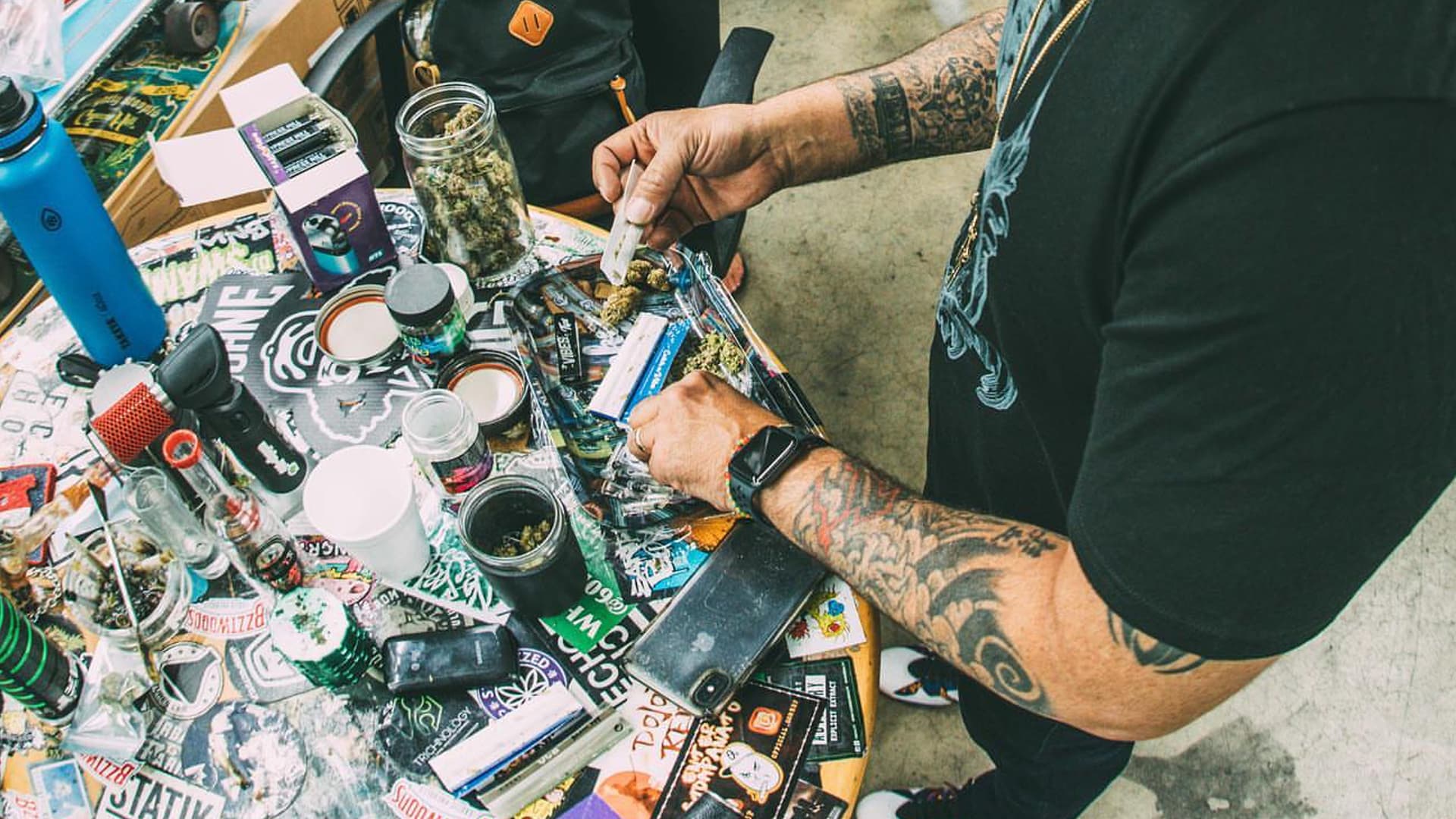

HOW EMULSIFICATION CHANGES A GUMMY'S ONSET TIME
Why does one gummy hit fast and another slow? It comes down to emulsification. Here's the science behind nano THC and emulsified edibles, straight from the DGT kitchen.
Category Guide
What hemp-derived and cannabis edibles are, the formats they come in, how potency works, and where they’re legal — straight, no hype.
An edible is any food or drink made with cannabis or hemp extract. Gummies, chocolates, baked goods, and beverages all count. Instead of inhaling, you eat or drink them, and the cannabinoids — mainly THC and CBD — are absorbed through digestion rather than the lungs.
Two things shape what you can buy: the source and your state. Hemp-derived edibles are made under a federal 0.3% THC threshold, and what counts toward that threshold changes in late 2026. Cannabis edibles come from marijuana and are sold through state-licensed dispensaries. The difference decides where, and whether, you can buy — which is why the same gummy can be on a shelf in one state and off-limits in the next.
Same idea, different delivery. The format mostly changes how fast it’s made, how it tastes, and how easy the dose is to track.
The most popular edible format. Each piece is pre-measured with a set amount of THC or CBD, which makes tracking servings straightforward.
Bars and bites scored into pieces, each holding a known dose. They run on the same digestion-based timing as gummies.
Seltzers, teas, and tonics infused with cannabinoids. Many use nanoemulsion to blend oil-based compounds into water.
Edibles are measured in milligrams (mg) of cannabinoid. Knowing how to read a label is most of the work.
1–2.5 mg
Low / microdose
Smallest pieces on the market
5 mg
Standard serving
Most common single serving
10 mg+
Higher dose
For experienced consumers
Timing matters. Because edibles go through digestion, they take longer to take effect than smoking or vaping — commonly 30 to 90 minutes, sometimes up to two hours. Start with one serving and wait before deciding whether to take more.
Hemp-derived edibles have been sold under a federal 0.3% THC threshold that tightens in late 2026, and states set their own rules on top — some restrict them entirely. Cannabis edibles are only sold in states with adult-use or medical programs. Check your state in the Legal Library.
Guides on dosing, beverages, and low-dose products from the Dr. Greenthumb’s product guides.
Edibles are food and drink products made with cannabis or hemp extract — gummies, chocolates, baked goods, and beverages. Instead of inhaling, you eat or drink them, and the cannabinoids are absorbed through digestion.
Hemp-derived edibles are made from hemp, which federal law defines by a 0.3% THC threshold by dry weight. What counts toward that threshold changes in late 2026, and finished hemp products also pick up a per-container limit. Cannabis edibles come from marijuana and are sold through state-licensed dispensaries where adult-use or medical programs exist. Which one you can buy depends on your state.
Edibles are measured in milligrams (mg) of THC or CBD. The package lists the total per package and the amount per piece. A common single serving is 5 mg of THC, while low-dose products start at 1–2.5 mg. Always read the label before you start.
Because edibles pass through digestion, they take longer than smoking or vaping — commonly 30 to 90 minutes, sometimes up to two hours. Start with one serving and wait before deciding whether to take more.
THC is the intoxicating compound in cannabis; CBD is non-intoxicating. THC gummies are regulated as cannabis or hemp products depending on their source and dose, while CBD gummies are sold more widely but still fall under state rules. Many products combine both in a set ratio.
It depends. Hemp-derived edibles have been sold under a federal 0.3% THC threshold, but that threshold is being tightened in late 2026 and several states already restrict or ban them. Cannabis edibles are only legal in states with adult-use or medical programs. Check the Legal Library for your state's current rules.
New edibles guides, format breakdowns, and state-law updates — sent when there’s something worth your inbox.
21+ Only. For use only where legal. Cannabis and hemp products affect everyone differently. Individual experiences may vary. Check your state’s rules before purchasing.


