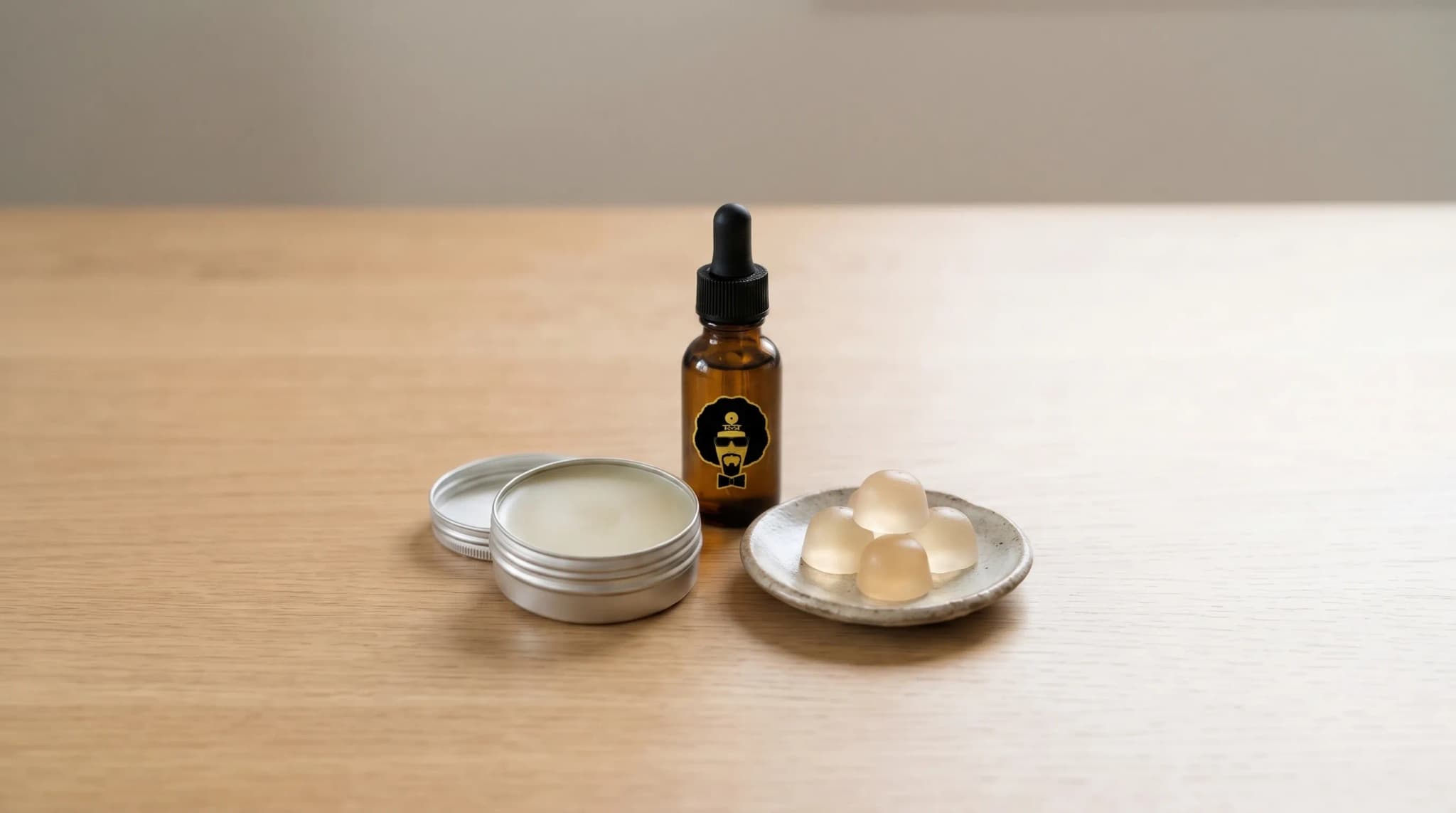
Yes. Licensed dispensaries sell CBD products, from tinctures and topicals to gummies and drinks that combine CBD with THC. They are not the same as the hemp CBD sold in wellness shops, gas stations and online, even when the CBD itself is the same compound.
The difference is in the rules: where the product comes from, how it is tested, how much THC it can contain and who can buy it. This guide covers those differences, how to read a CBD:THC label, and what the 2026 hemp rules change for CBD sold outside dispensaries.
Two kinds of CBD product
Hemp-derived CBD comes from hemp, cannabis with no more than 0.3 percent THC by dry weight. It is sold in general retail, and there is no federal requirement that it come with a lab report. Our guide to hemp vs marijuana covers where that line came from.
Dispensary CBD is sold inside a state's licensed cannabis system. It is made and tested under that state's cannabis rules, it is sold only to adults 21 and older or to medical patients, and in California the label on a manufactured product must state its THC and CBD in milligrams. It can also contain meaningful amounts of THC alongside the CBD, within the state's limits.
The CBD molecule is the same either way. What differs is everything that comes with it.
What CBD products a dispensary carries

Tinctures. A tincture is a liquid cannabis extract in a small bottle with a dropper, made with an oil, alcohol or glycerin base. Some are CBD-only, some are THC-only and many combine the two. The label states how much THC and CBD the whole bottle holds.
Ratio edibles and drinks. Gummies, chocolates and drinks labeled 1:1, 2:6 or 10:10 combine THC and CBD in a set proportion. More on reading those below.
Topicals. Balms, lotions and creams are applied to the skin. Our guide to topicals vs transdermals explains how the two differ and what the label can and cannot tell you.
CBD-only edibles. Some gummies are made with CBD and no meaningful THC, sold under the same testing and labeling rules as everything else on the shelf.
CBD in flower. Some strains are bred for higher CBD. California requires flower labels to show only total THC, so ask for the lab results if you want the CBD figure.
How to read a CBD:THC ratio
A ratio tells you the proportion of the two cannabinoids, not how much of either you are getting. A 1:1 gummy has equal amounts of THC and CBD, whether that is 5 milligrams of each or 10.
Check which cannabinoid each number refers to: one product's "2:6" means 2 milligrams of THC to 6 of CBD. The milligram figures on the label settle it, so read those rather than the ratio.
For manufactured products such as edibles, tinctures and topicals, California's rules require the label to state THC and CBD in milligrams per package, and per serving where the product has servings. That is the number to compare when you are choosing between two products. Our guide to reading cannabis product labels walks through the rest of the label.
Full-spectrum, broad-spectrum and isolate
These terms describe what else is in the extract besides CBD. Full-spectrum keeps the plant's other cannabinoids and terpenes, including some THC. Broad-spectrum is processed to remove THC but keep other compounds. Isolate is purified CBD and little else. Our guide to what full-spectrum and isolate labels mean covers how to check those claims against a lab report.
If a drug test matters to you, the trace THC in full-spectrum products is the thing to know about. Standard tests look for THC metabolites, not CBD, and regular use of a product with trace THC can produce a positive. Our guide to how long THC stays in your system covers the tests.
What's changing for hemp CBD
The rules for CBD sold outside dispensaries are tightening in 2026.

In California, AB 8 took effect on January 1, 2026. Hemp foods, drinks and dietary supplements may now use only CBD or CBN isolate, more than 99 percent pure, with no THC. Hemp cosmetics and topicals may still contain up to 0.3 percent THC. Hemp flower, hemp pre-rolls and inhalable hemp THC products can't be sold in the state at all.
At the federal level, the definition of hemp changes in two steps. From November 12, 2026, products with cannabinoids the plant cannot produce naturally lose hemp status. From December 11, 2026, a finished hemp-derived cannabinoid product falls outside the definition if the whole container holds more than 0.4 milligrams of total THC and similar cannabinoids. That cap counts trace THC, so whether a given full-spectrum hemp CBD product still qualifies depends on how much THC is in the container. Our guide to when the federal hemp ban takes effect has the details.
In Illinois, hemp products with more than 0.4 milligrams of THC per container can be sold only to people 21 and older since June 2026, and the new Illinois Hemp Act replaces the state's old hemp law on November 12, 2026.
None of these changes apply to products sold in licensed dispensaries, which were never hemp.
Buying CBD at Dr. Greenthumb's
Each of our stores has its live menu on its location page: Fresno, Orcutt, La Mesa and Chicago. Stock changes, so check the menu for CBD and ratio products before you visit, and ask staff to pull up the lab results for anything you are considering.
Sources
- California Department of Public Health, Assembly Bill 8 frequently asked questions
- Congressional Research Service, Changes to the Statutory Definition of Hemp and Implications for Agricultural Policy, September 28, 2026
- Congressional Research Service, Delay in Changes to Hemp Definition: Cannabinoids Not Capable of Being Naturally Produced by the Cannabis Plant, October 28, 2026
- Illinois Department of Agriculture, Illinois Hemp Act overview, June 2026
- California Department of Cannabis Control, Cannabis regulations, California Code of Regulations, title 4, section 17407 (cannabinoid content labeling)
This article is general information for adults 21 and older. It is not medical or legal advice and makes no claim about what any CBD product does. Current as of November 2026.


